

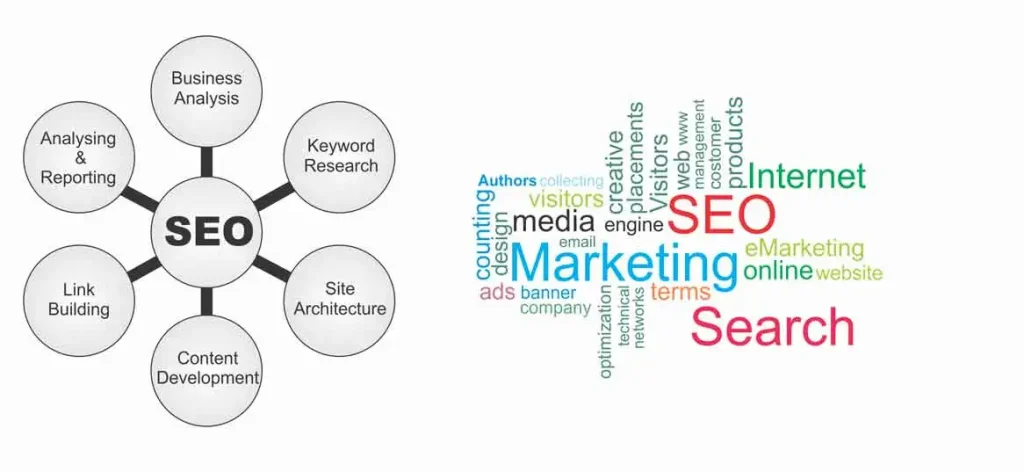
Search Engine Optimization (SEO) is one of the most powerful ways to improve your website’s rankings on SERPs (Search Engine Results Pages).
In this guide, I’ve turned the core basics of SEO into a simple 30-point checklist — grouped into technical setup, content, keywords and links — and updated it for how Google works today.
What Is SEO and Why Does It Matter?
SEO is the process of improving your website so that search engines can easily crawl, understand and rank it — and so that visitors find exactly what they are looking for. Better rankings mean more free, targeted traffic, which leads to more enquiries and sales.
1. Technical Setup & Site Structure
- Write valid, standards-compliant HTML — you can check your pages with the official W3C Validator.
- Use clean, static-looking URLs (e.g. /seo-services/) instead of long URLs full of parameters.
- Make sure your website is mobile-friendly and loads fast on all devices.
- Avoid building navigation in Flash, heavy JavaScript or frames — search engines may not crawl it properly.
- Create an XML sitemap and submit it in Google Search Console.
- Use a correct robots.txt file so search engines can access your important pages.
- Keep URLs in English (or simple transliteration) — even if your content is in Hindi or another language, avoid unreadable encoded URLs.
2. Content Quality
- Focus on original content — never copy from other websites.
- Keep similar pages clearly different; check new content for plagiarism before publishing.
- Organise content with short paragraphs, bullet points and clear headings so it is easy to read.
- Update your website regularly — add new pages, blog posts and fresh information.
- Write content centred around your users’ questions and needs, not just around keywords.
- Cover your topic fully so visitors don’t need to go back to Google for answers.
Google no longer uses the meta keywords tag, so you don’t need to spend time on it. Focus on great page titles, meta descriptions and helpful content instead.
3. Keywords & On-Page SEO
- Include your main keyword in the page title (ideally near the beginning).
- Write a compelling meta description that includes the keyword and encourages clicks.
- Use keywords naturally in your H1 and H2 headings.
- Mention the main keyword early in the first paragraph and again near the end.
- Use internal links with descriptive anchor text that contains relevant keywords.
- Rename images with descriptive, keyword-related file names (e.g. seo-services-ahmedabad.webp).
- Add meaningful ALT text (and titles where useful) to every image.
- Use keywords naturally — there is no magic “keyword density”. Write for people first; stuffing keywords can hurt rankings.
- Use bold or italics to highlight important phrases for readers, not just for search engines.
4. Links & Authority
- Earn incoming links from high-quality, trusted websites.
- Get links from pages with content related to yours — relevance matters more than quantity.
- Make sure link anchor text is relevant to the linked page’s content.
- Use relevant keywords in the text surrounding your links.
- Link out to useful, authoritative sources where it helps your readers.
- Build links gradually and naturally — avoid sudden spikes or buying links.
- Keep the number of links on a page reasonable so each one remains useful.
- Aim for links from many different, unrelated websites (different domains and IP addresses).
“Good SEO is not about tricking search engines — it’s about making your website the best answer to your customer’s question.
— Tarak Vora
Not sure how your website scores on these 30 points? I’ll review your site and send you a clear list of what to fix first.
Get a Free SEO Analysis →